










+994 55 699 10 50[email protected]
English
Azərbaycanca中國人DeutschEnglishEspañolaFrançaisहिन्दीItaliano日本語한국인TagalogPortuguêsРусскийعربي

Maiden Tower

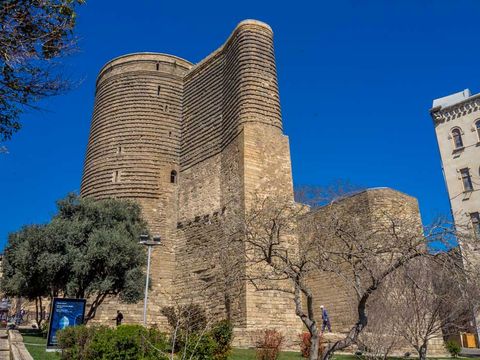
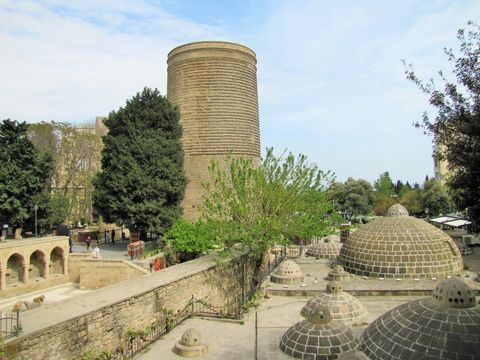
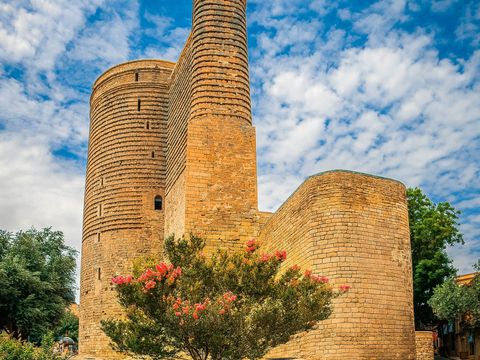
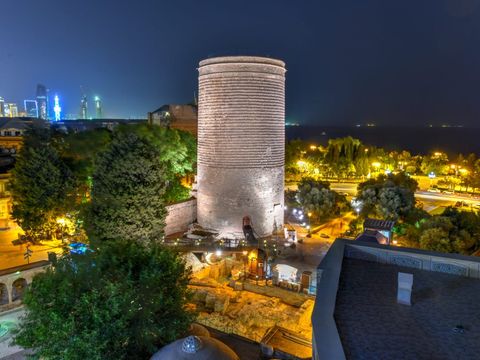
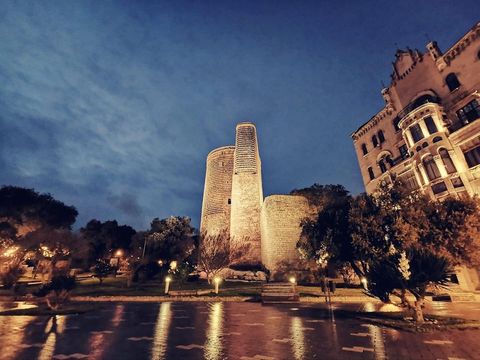
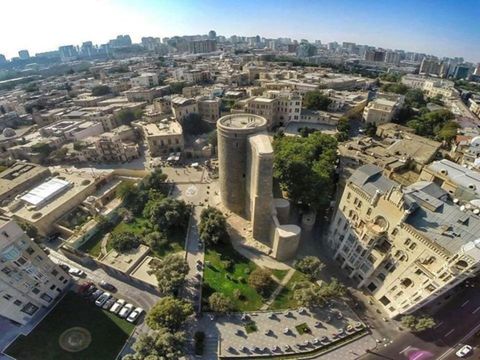
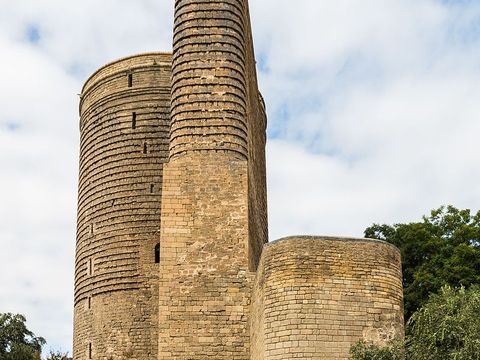
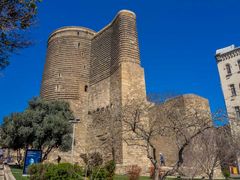
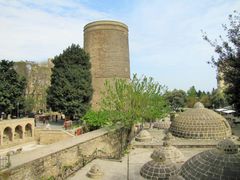
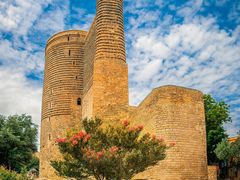
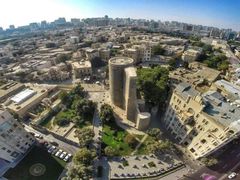
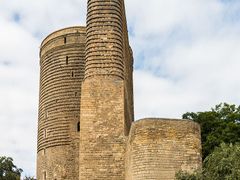
Rising proudly above the cobbled lanes of Baku’s Inner City (Icherisheher), the Maiden Tower – or Qız Qalası in Azerbaijani – is one of Azerbaijan’s most enigmatic and iconic monuments. A UNESCO World Heritage Site since 2000, it dominates Baku’s old skyline with its cylindrical silhouette, blending mystery, engineering mastery, and centuries of legend.Standing 29.5 meters tall and built of limestone that glows gold under the Caspian sun, the Maiden Tower is more than just an architectural marvel — it is a living chronicle of Azerbaijan’s ancient civilization. Historians still debate its original function, while poets, travelers, and scholars have long been fascinated by its origins and myths. Whether seen at sunrise over the Caspian Sea or illuminated at night beside the old city walls, it remains a timeless emblem of Baku’s spirit.

History & Origins

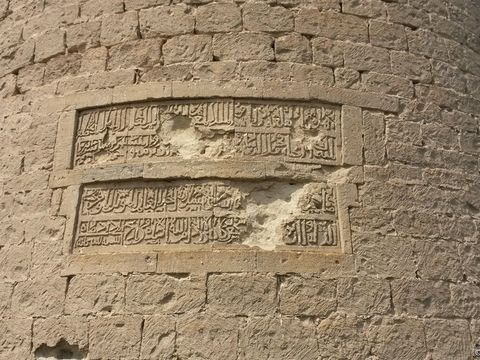
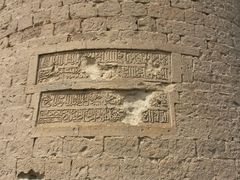
The exact date of the Maiden Tower’s construction remains one of Azerbaijan’s enduring mysteries. Scholars generally agree that the tower’s lower sections date back to the 7th–6th centuries BCE, possibly as part of a Zoroastrian fire temple or astronomical observatory, while the upper sections were reconstructed between the 12th century during the Shirvanshah dynasty.

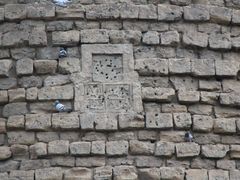
Archaeological studies reveal layers of construction from different eras, suggesting the tower’s long-term use and modification. Some theories, such as those by Azerbaijani historian Sara Ashurbeyli, propose that it was initially a defensive structure, later repurposed for ceremonial or religious use.

Folklore gives the monument its evocative name — “Qız Qalası,” or “The Maiden Tower.” The most famous legend tells of a king’s daughter who, forced to marry against her will, leapt to her death from the tower into the Caspian Sea. Other tales interpret “maiden” as a symbol of purity and invincibility, implying that the fortress was never captured.

Ancient travelers such as Alexander Dumas, Adam Olearius, and Claude de Boisgelin wrote of the tower’s majesty and mysterious origin. Over the centuries, it has inspired countless poems, operas (including Uzeyir Hajibeyov’s “Qız Qalası”), and artworks that celebrate its mythical charm.

Architecture & Structure

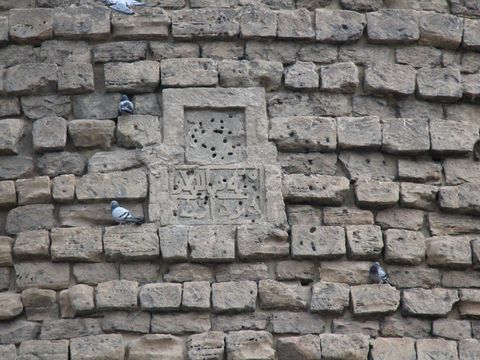
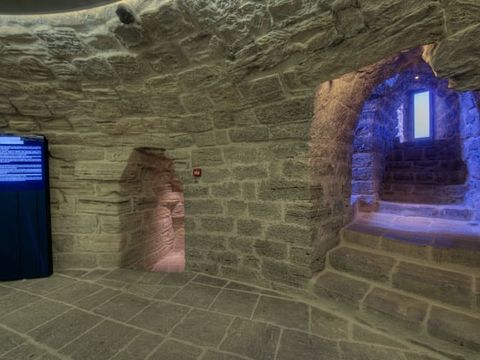
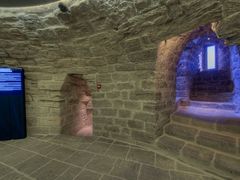
The Maiden Tower’s architectural form is unique across the region. Built from locally quarried limestone, its cylindrical body measures approximately 16.5 meters in diameter at the base and narrows slightly toward the top. Inside, eight levels are connected by a spiral staircase that winds up to a panoramic viewing terrace offering sweeping views over the Caspian Sea and Baku’s skyline.

A particularly fascinating feature is the vertical shaft running down the tower’s core. It is believed to have served ritual, astronomical, or defensive purposes. Archaeologists have also uncovered a deep water well inside the structure, confirming its strategic and possibly sacred role.

The tower’s robust engineering – including walls over 5 meters thick at the base – demonstrates early examples of advanced construction techniques. The alignment of the tower with the sun during equinoxes supports the theory that it once served as an astronomical calendar or fire-worship temple, aligning with the Zoroastrian reverence for celestial bodies.

Cultural & Symbolic Importance

Beyond its architectural mastery, the Maiden Tower stands as a national symbol of Azerbaijan, depicted on the country’s banknotes, coins, and official emblems. It represents both Baku’s antiquity and its resilience through empires and modernization.

Since its inclusion in the UNESCO World Heritage list (together with Icherisheher and the Palace of the Shirvanshahs), the tower has been recognized globally as an outstanding example of the cultural continuity between pre-Islamic and Islamic civilizations in the Caucasus.

Every spring during Novruz, the tower becomes a focal point of festivities, symbolizing the rebirth of life and fire. The nearby open-air exhibitions, folklore performances, and art installations celebrate Azerbaijan’s connection between past and present.

Things to Do / Activities

Visitors can:

  • Climb to the viewing platform for a stunning 360° panorama of Baku Bay and the Old City.
  • Explore the interactive museum inside, which traces Baku’s urban history from the Bronze Age to the 20th century through digital exhibits and archaeological artifacts.
  • Attend cultural events or light shows hosted around the tower, especially in summer evenings.
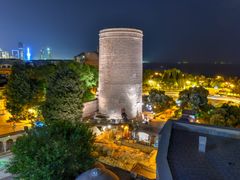
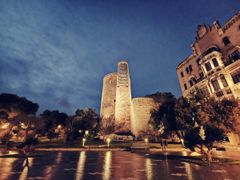
  • Capture beautiful photography during sunrise or night illumination when the tower glows golden under modern lighting.

Visitor Information

Location: Southeast corner of Icherisheher (Old City), Baku, Azerbaijan.
Address: 28 Kichik Gala Street, Baku.
Opening Hours: Daily, 10:00–18:00 (hours may vary seasonally).
Entrance Fee: Approximately 10 AZN for adults, 2 AZN for students, and free for children under 6.
Access: Easily reachable by metro (Icherisheher Station), taxi, or as part of guided walking tours. Visitors are advised to wear comfortable shoes due to the steep spiral staircase.
Best Time to Visit: Late afternoon for soft lighting or evening for illuminated views.

Nearby Attractions

Nearby Attractions

Palace of the Shirvanshahs – another UNESCO site within walking distance.

Miniature Book Museum – one of the world’s smallest book collections.

Baku Boulevard – seafront promenade just a few minutes’ walk away.

Nizami Street & Fountains Square – lively shopping and dining area nearby.

Old City Walls & Gates – remnants of medieval Baku fortifications.

Tours with Old City Tours

The Maiden Tower is featured in several of our signature experiences, including:
Baku City Tour – Top 30 Historical & Modern Highlights
Old City Walking Tour (Icherisheher Exploration)
Baku Night Tour – Illuminated Landmarks & Boulevard Walk
Each tour is guided by licensed professionals who share both the historical facts and the legends behind the Maiden Tower — bringing the monument’s spirit to life for every visitor.

FAQ

Why is it called the Maiden Tower?

The name comes from local legends about a young maiden’s tragic leap and symbolizes purity, strength, and mystery.

How old is the Maiden Tower?

Parts of it date back to pre-Islamic times (around the 7th–6th centuries BCE), with upper reconstructions from the 12th century.

Can visitors go inside the tower?

Yes. The tower is open to the public with a museum and viewing terrace accessible by staircase.

How long does it take to visit?

Usually 30–45 minutes for a full visit, including climbing to the top.

Is the tower wheelchair accessible?

Unfortunately, due to its historic structure, accessibility is limited to the ground level.

Is it part of UNESCO World Heritage?

Yes, since 2000, as part of the Walled City of Baku with the Palace of the Shirvanshahs.

What’s the best time to photograph it?

Sunrise for soft light and evening for the illuminated tower against Baku’s night skyline.

Conclusion

Whether viewed from afar across the Caspian or explored from within its ancient stone walls, the Maiden Tower of Baku embodies the very soul of Azerbaijan — mysterious, resilient, and radiant with history. Its legends whisper through time, and its view connects the old and new faces of the city.
Join Old City Tours Baku to experience this monument up close with expert guides who reveal not just what stands, but what stories it holds.

Sources / References

  • Azerbaijan Tourism Board (azerbaijan.travel)
  • Icherisheher State Historical-Architectural Reserve Administration
  • Ministry of Culture of the Republic of Azerbaijan
  • Great Soviet Encyclopedia (1974 edition)
  • UNESCO World Heritage Centre – “Walled City of Baku with the Shirvanshah’s Palace and Maiden Tower”
  • Sara Ashurbeyli, History of Baku: Medieval Period
  • Trend News Agency, APA News, Azerbaijan National Encyclopedia

Tours to Maiden Tower