









+994 55 699 10 50[email protected]
English
Azərbaycanca中國人DeutschEnglishEspañolaFrançaisहिन्दीItaliano日本語한국인TagalogPortuguêsРусскийعربي

Hirkan National Park

Hirkan National Park is one of Azerbaijan’s most extraordinary natural treasures and a living museum of biodiversity that has survived millions of years of climatic shifts. Nestled between the humid Caspian coastline and the lush Talysh Mountains of the Lankaran-Astara region, the park safeguards one of the world’s oldest forest ecosystems — the Hyrcanian broadleaf forests, a natural heritage stretching back 25–50 million years.

Recognized globally for its irreplaceable ecology, Hirkan stands as one of the last refuges of unique species such as the Caucasian leopard, Hyrcanian boxwood, ironwood trees, and dozens of endemic plants found nowhere else on Earth. In 2023, the Hyrcanian Forests of Azerbaijan and Iran were jointly inscribed onto the UNESCO World Heritage List, highlighting the park’s exceptional natural significance.

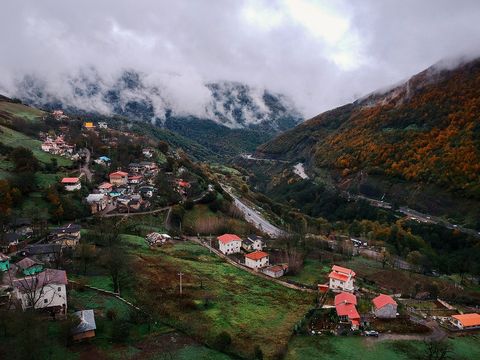
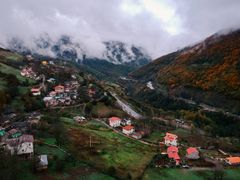
For visitors, Hirkan offers a world of dramatic landscapes — fog-covered mountains, deep river valleys, subtropical flora, cascading streams, and quiet forest paths where every step feels like walking through time.

History & Origins

The name “Hirkan” (or “Hyrcania”) originates from ancient Persian sources, referring to a vast historic forest region known as the “land of wolves.” Classical authors like Strabo and Ptolemy mentioned Hyrcania as a fertile, densely forested area rich in wildlife. These writings are among the earliest descriptions of the lush nature that today survives primarily within Hirkan National Park.

The national park was officially established in 2004 by the Government of Azerbaijan with an initial area of 21,435 hectares to protect the endangered Hyrcanian forests and the rare species inhabiting them. Due to ongoing conservation needs, the territory was expanded in 2008 and again in 2022–2023, bringing more forests, valleys, and highlands under state protection.

Hirkan’s forests date back to the Tertiary period, surviving the Ice Ages while most European forests perished. This ancient origin explains the extraordinary presence of relict species, including ironwood (Parrotia persica), Lankaran boxwood, and velvet maple, which have remained unchanged for millions of years.

The region also appears in local Talysh folklore, where villagers believe the forests are guarded by “forest spirits” protecting animals and plants from harm — a traditional belief that reflects the deep cultural connection of local communities with nature.

Geography & Hydrology

Located in the Lankaran-Astara Lowland and the Talysh Mountains, Hirkan National Park spans a combination of humid subtropical lowlands and cool mountainous zones.

Key geographical characteristics:

Altitude range: from near sea level up to approximately 2,200 meters

Climate: warm, humid subtropical climate with high rainfall

Rainfall: among the highest in Azerbaijan (up to 1,800–2,200 mm annually)

Forests: evergreen and mixed deciduous Hyrcanian broadleaf forests

Hydrology: numerous small rivers, mountain springs, forest streams, and seasonal waterfalls

Soil: rich alluvial and brown forest soils supporting dense vegetation

Major rivers flowing through or near the park include the Tengerud, Velvele, Istisu, and Astarachay, which contribute to the overall ecological richness of the region. High humidity maintains thick undergrowth, moss-covered tree trunks, and a unique microclimate supporting diverse flora.

Ecology & Biodiversity

Hirkan National Park is considered the biodiversity capital of Azerbaijan and one of the richest ecosystems in the entire Caucasus.

Flora

The park protects around 2,000 species of plants, including over 160 endemic species found only in the Hyrcanian region. The most iconic tree species include:

Ironwood (Parrotia persica) – a relict species over 25 million years old

• Caspian beech

• Velvet maple

• Chestnut-leaved oak

• Lankaran boxwood

• Silk acacia

• Eldar lime

• Persian walnut

Ironwood is particularly remarkable — it is so dense that it sinks in water and was historically used for construction in humid regions.

Fauna

Hirkan is home to a wide range of protected wildlife:

Caucasian leopard (Panthera pardus tulliana) – extremely rare, observed sporadically

• Lynx

• Brown bear

• Wild boar

• Roe deer

• Badger

• Jungle cat

• European otter

Birdlife is equally rich, with species such as the black stork, golden eagle, Caucasian woodpecker, and numerous migratory birds that use the Lankaran region as a seasonal passageway.

The remarkable biodiversity of Hirkan has earned it recognition from UNESCO, IUCN, and WWF, with continuous monitoring and scientific research conducted to preserve endangered species.

Cultural & Practical Importance

For centuries, Hirkan’s forests have shaped the culture, agriculture, and daily life of the Talysh communities living nearby. Traditional houses often used local hardwoods, and villagers practiced sustainable foraging of medicinal plants, nuts, and herbs.

The forests also regulate the region’s humid subtropical climate, protect soil from erosion, and support important agricultural zones — especially citrus groves, tea plantations, and subtropical fruits in Lankaran and Astara.

Today, Hirkan National Park is one of Azerbaijan’s most important eco-tourism destinations, drawing researchers, hikers, nature photographers, and travelers seeking untouched wilderness.

Things to Do in Hirkan National Park

Hirkan offers a variety of nature-based activities:

  • Hiking through ancient forest trails
  • Photography of endemic species and old-growth trees
  • Wildlife observation (birds, mammals, insects)
  • Seasonal flower and foliage viewing
  • Visiting forest rivers, springs, and waterfalls
  • Eco-educational tours
  • Forest picnics in designated zones
  • Short treks to elevated viewpoints overlooking lush valleys

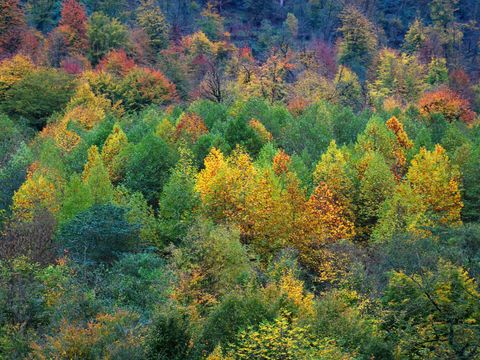
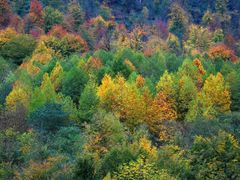
The park is especially beautiful during spring (March–May) and autumn (September–November), when forest colors are at their richest.

Visitor Information

Location: Lankaran & Astara region, southeastern Azerbaijan

Entrance Fee: Access is regulated; certain areas require ranger permission for ecological protection

Transportation:

• From Baku: approx. 4.5–5 hours by highway

• Nearest cities: Lankaran (20–30 minutes), Astara (30–40 minutes)

• Accessible via private car, taxi, or guided tours

Best Time to Visit:

  • Spring for blooming flora
  • Summer for dense greenery
  • Autumn for colorful foliage
  • Winter for misty, mystical forests (but some trails may be muddy)

Recommended Duration: 3–6 hours inside the park depending on hiking preferences.

Facilities: Ranger stations, limited picnic areas, basic visitor routes. The park is protected, so there are no restaurants or commercial facilities inside the forest.

Nearby Attractions

Travelers can easily combine Hirkan National Park with:

Hirkan Nature Reserve (strictly protected)

Khanbulan Lake

Lankaran Fortress & Lighthouse

Lerik Mountain Villages

Samovar Museum

Tea plantations & citrus gardens

Istisu Hot Springs

Zuvand Plateau

Hirkan National Park with Old City Tours

Old City Tours organizes private and group eco-tours to Hirkan National Park as part of our Lankaran–Astara regional programs. Our tours include:

• Comfortable transportation

• Licensed tour guide or local eco-guide

• Visits to key forest trails

• Stops at tea plantations, Khanbulan Lake, and cultural landmarks

• Optional local lunch with Talysh cuisine

We ensure safe, environmentally responsible travel while providing deep cultural and historical insights.

FAQ

Is Hirkan National Park part of UNESCO?

Yes. The Hyrcanian Forests, including parts of Hirkan, were added to the UNESCO World Heritage List in 2023.

Are there dangerous animals?

Large predators exist but are extremely rare. Ranger-guided tours are recommended.

Can visitors hike freely?

Some routes are open; deeper zones require official permission due to conservation rules.

How big is Hirkan National Park?

It has expanded several times and currently covers tens of thousands of hectares of protected forest.

Is camping allowed?

Only in designated areas with permission; unregulated camping is not allowed.

How far is the park from Lankaran city?

Approximately 20–30 minutes depending on the selected entry point.

Conclusion

Hirkan National Park is one of the last untouched remnants of the ancient Hyrcanian forests — a place where nature tells the story of millions of years of evolution. Its deep green valleys, dense foliage, rare species, and rich folklore make it one of Azerbaijan’s most awe-inspiring destinations.
For travelers seeking pure nature, breathtaking landscapes, and scientific wonder, Hirkan is an unforgettable journey. Old City Tours is proud to guide visitors through this exceptional natural heritage with comfort, safety, and professional expertise.

Sources / References

  • Azerbaijan Tourism Board (azerbaijan.travel)      
  • Ministry of Ecology & Natural Resources of Azerbaijan
  • UNESCO World Heritage Centre
  • Hirkan National Park official information
  • Lankaran Executive Authority
  • Academic studies on Hyrcanian biodiversity
  • Encyclopedic sources (Wikipedia, Great Soviet Encyclopedia)
  • APA, Trend News, AzerNews environmental reports